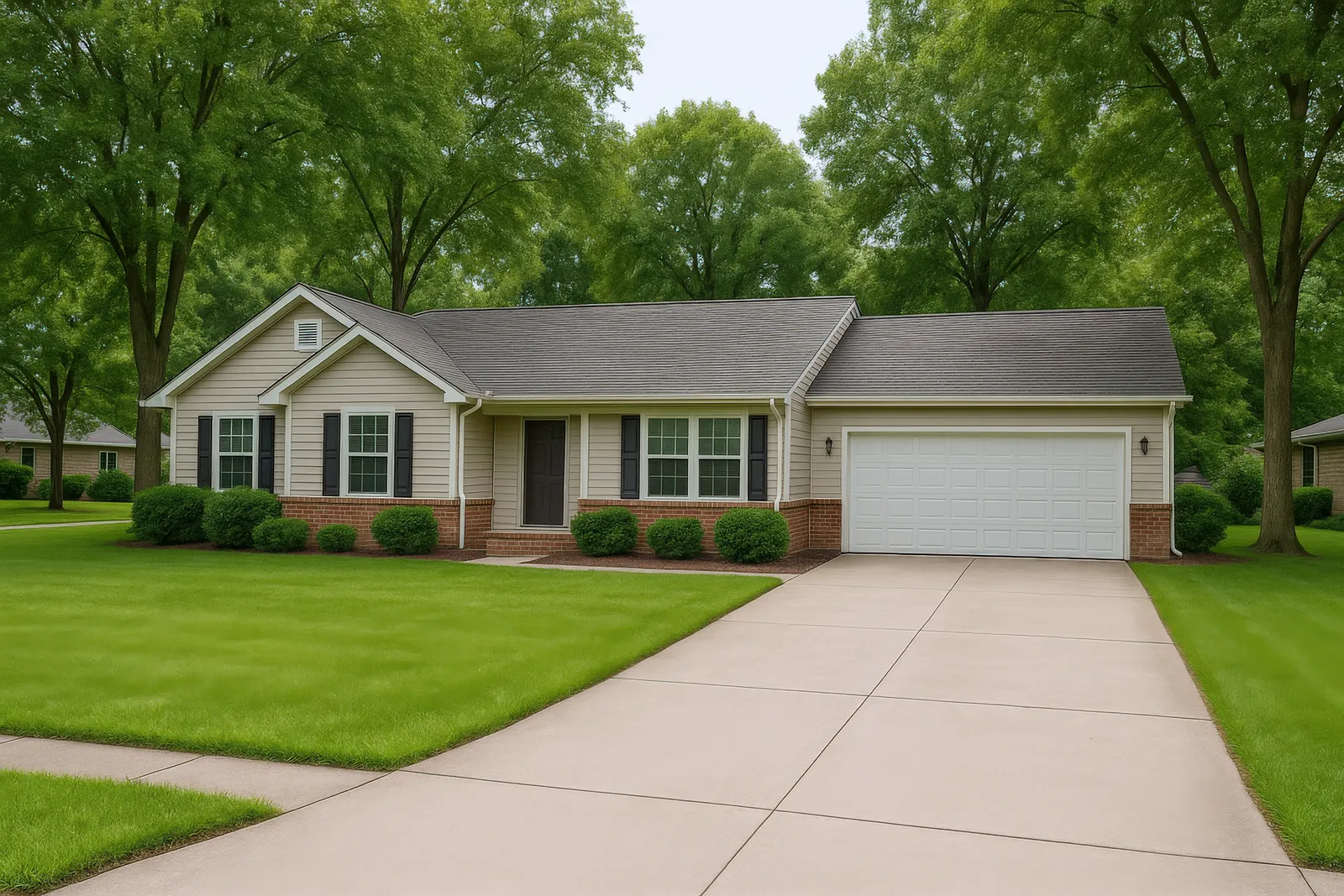
Asphalt Shingle Roofing in Coppell, TX
Nearly every roof in Coppell is asphalt shingle already, so the choice is which grade: architectural at the price everybody expects, or the impact-rated version for a few thousand more. One of those is the right call on your roof and the other is money that never comes back.
Tear-off, decking, ventilation and both grades, priced against the roof you already have. The installation does not change; the shingle does.
Roofing you can see for yourself
Asphalt shingle roofing in Coppell, TX
Asphalt is what is on the roof, so this page is mostly about the parts of the job underneath it. The grade is one line on an estimate; the decking, the ventilation and the flashing are the lines that decide whether the roof lasts what the shingle says it will.
That runs against the way these jobs get sold. The grade is the part with a brochure, so it takes the whole conversation, while a bathroom fan venting into the attic instead of through the roof cooks the shingles above it for the next twenty years. A roofer up in the attic with a flashlight finds that one long before a homeowner does.
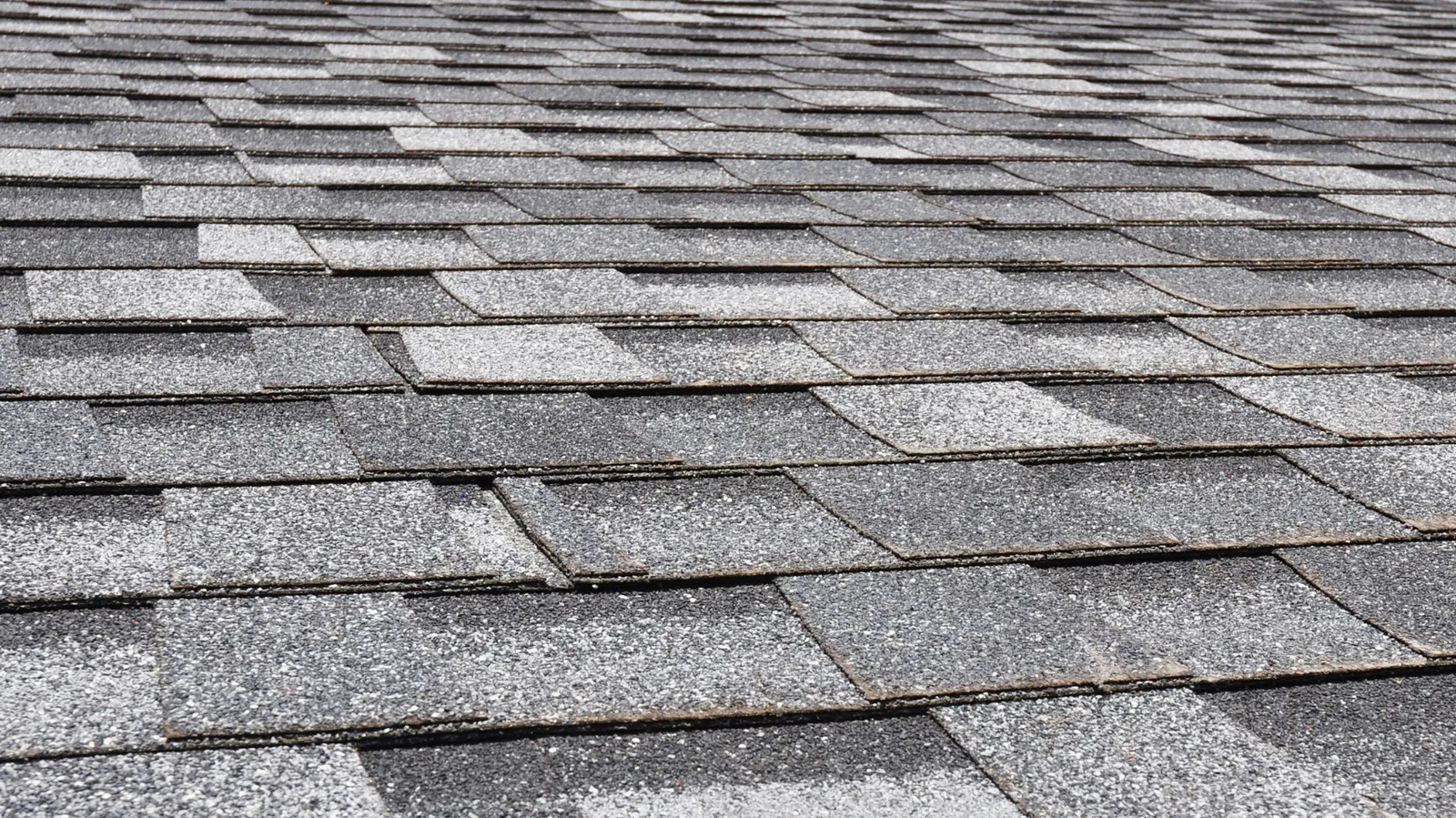
Tear-off to bare deck
Old shingles, underlayment, flashing and nails come off in one pass, down to the plywood. Going over an existing layer hides the decking and traps heat against the new shingles, which is why nearly every job here starts empty.
The decking check
A roofer walks and probes every sheet for soft spots and cuts out the panels that have gone. This is the one line nobody can quote accurately until the roof is open, and the count changes your number.
Valleys and penetrations
Self-adhering membrane goes into the valleys and around every pipe and chimney before the field underlayment does. Water concentrates at those points, so they take the sealed layer whether or not the code obliges it.
Underlayment and edges
Synthetic underlayment covers the whole deck, with drip edge under it at the eaves and over it at the rakes. That order is what stops wind-driven rain wicking back under the shingle edge and rotting out the fascia.
Flashing instead of caulk
Step flashing at the walls and new pipe boots go on with the courses, woven in as the roof rises. Sealant smeared over old metal is the shortcut that buys one season, and it is the most common thing found on a roof leaking at a wall.
Ventilation put back in balance
Intake at the soffit and exhaust at the ridge get counted against the attic volume and corrected while the roof is open. An attic that cannot breathe runs hot enough to age shingles from underneath, and that is the cheapest way there is to lose years off a new roof.
How a Coppell asphalt roof ages here
North Texas ages an asphalt roof from two directions at once: the sun above it and the attic underneath. Both leave marks a homeowner can find, and hail and wind in this county accounts for the third.
The south and west slopes go first
Those two faces take the afternoon sun for decades and shed granules years ahead of the north side. Two slopes on the same house can be a decade apart in condition.
Shingles that no longer sit down
Asphalt that has cycled through enough Texas summers goes rigid and starts to cup, so the courses ride proud of each other instead of lying tight. That is the roof losing its ability to shed water at speed, and it happens across a whole slope at once.
Thin patches along the ridge
The ridge and the hips take the most wind-driven grit and wear through ahead of the field. Bare mat showing at the peak means the roof is out of surface where it is most exposed.
Bruises left behind by hail
Hail fractures the mat under the granules without breaking the surface, so the damage shows to a fingertip long before it shows to an eye. Left alone, a bruised spot opens up as the shingle keeps flexing through the seasons.
Caulk lines along the flashing
A bead smeared along a wall or chimney line is somebody's earlier repair standing in for flashing. It holds a season or two, and the metal underneath is still the thing that failed.
A roof that is simply old enough
Architectural shingles are a twenty-five to thirty year product and North Texas heat pushes most roofs toward the low end of that. If nothing has been done since the house was built, the calendar is evidence on its own.
Layers, ventilation and the decking check
A roofer does these in this order on nearly every asphalt job here, and the middle two are where the money moves. The ventilation step is the one a replacement leaves out most often, and it costs the least of anything up there.
The roofer strips it
Everything comes off down to plywood, working top down from the ridge, with tarps over the beds and the dumpster set where it does the least damage to the drive. Nothing about the roof underneath is known until this is finished.
The roofer checks the deck
Each panel is stood on and probed, and the soft ones are cut out and replaced. The roofer counts what came out and tells you before the wood goes back down, because that count changes your estimate.
The roofer corrects the venting
Soffit intake is opened where insulation has choked it and ridge exhaust is cut to match. This is the step skipped most often on a re-do, and it costs the least of anything on the roof.
The roofer lays it and cleans up
Underlayment, starter, field courses and ridge cap go on in order, with the flashing woven in as the courses reach it. The yard is swept with a magnet at the end, and the workmanship terms and the manufacturer paperwork are handed over then.
What the grade upgrade actually costs
Figured on 26 squares of finished roof surface (about 2,600 sq ft), the planning size behind this math and no measurement of any particular house. Yours could sit either side of it.
The upgrade to impact-rated is the whole cost question on this page. Across a roof of average size here that difference lands somewhere near three to four thousand dollars, and what buys it back is the wind and hail discount on your policy plus any claim you end up never opening. The Coppell cost breakdown carries every grade and the calculator behind these figures.
$450 to $690 per square for architectural · impact-rated runs $560 to $850 the same way
Area ranges for a full tear-off. Square count and the decking that turns up underneath move the number most.
Shingle questions before a replacement
Grade questions, asked by people who already know they are buying asphalt. Nothing below argues you into asphalt; it sorts out which grade and what the number on the box is worth in this heat.
Quote both Coppell shingle grades
You get photographs of what is up there now, taken by the roofer who went up, alongside a figure for each grade. Then it is your call.
Roofing you can see for yourself