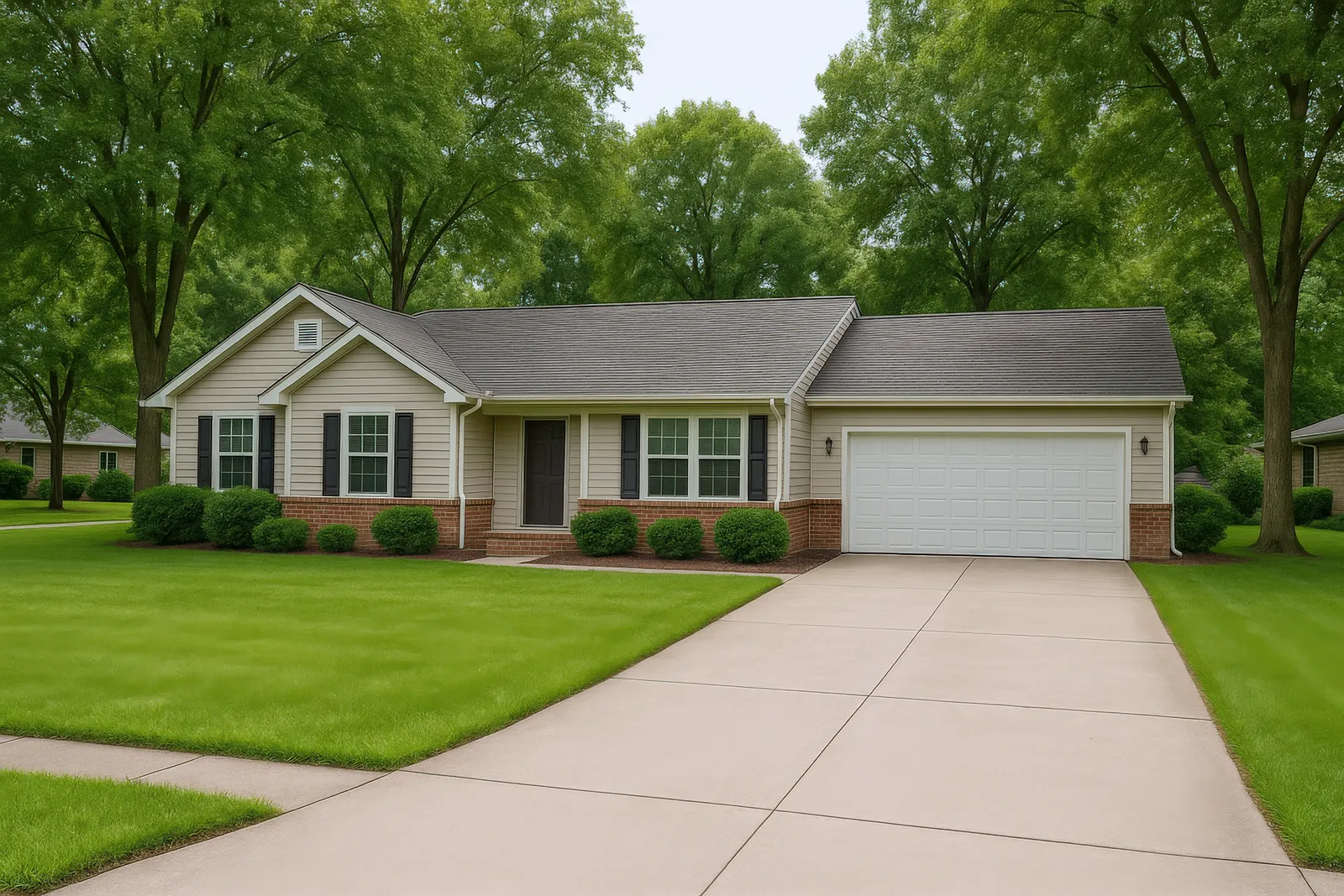
Gutter Installation in Coppell, TX
Gutter installation is sized by the outlet as much as the trough, and a wide run feeding one small downspout still spills over the front edge in a hard rain.
Capacity sized to the roof above, fall set so the trough empties, and the board behind it looked at before new metal goes up.
Roofing you can see for yourself
Gutter installation in Coppell, TX
Most people call about gutters because of a stain running down the fascia, and about half the time the gutter is not the thing that failed. A trough that overflows can be undersized, out of fall, blocked at the outlet, or catching water that never should have left the roof edge in the first place, and that last one is a roof repair question.
Take a Coppell house in a May downpour with a full trough. The roof is shedding the same water it always shed; what changed is that the run overshoots the front lip by a foot, and a foot is the difference between water landing on lawn and water landing against a slab.
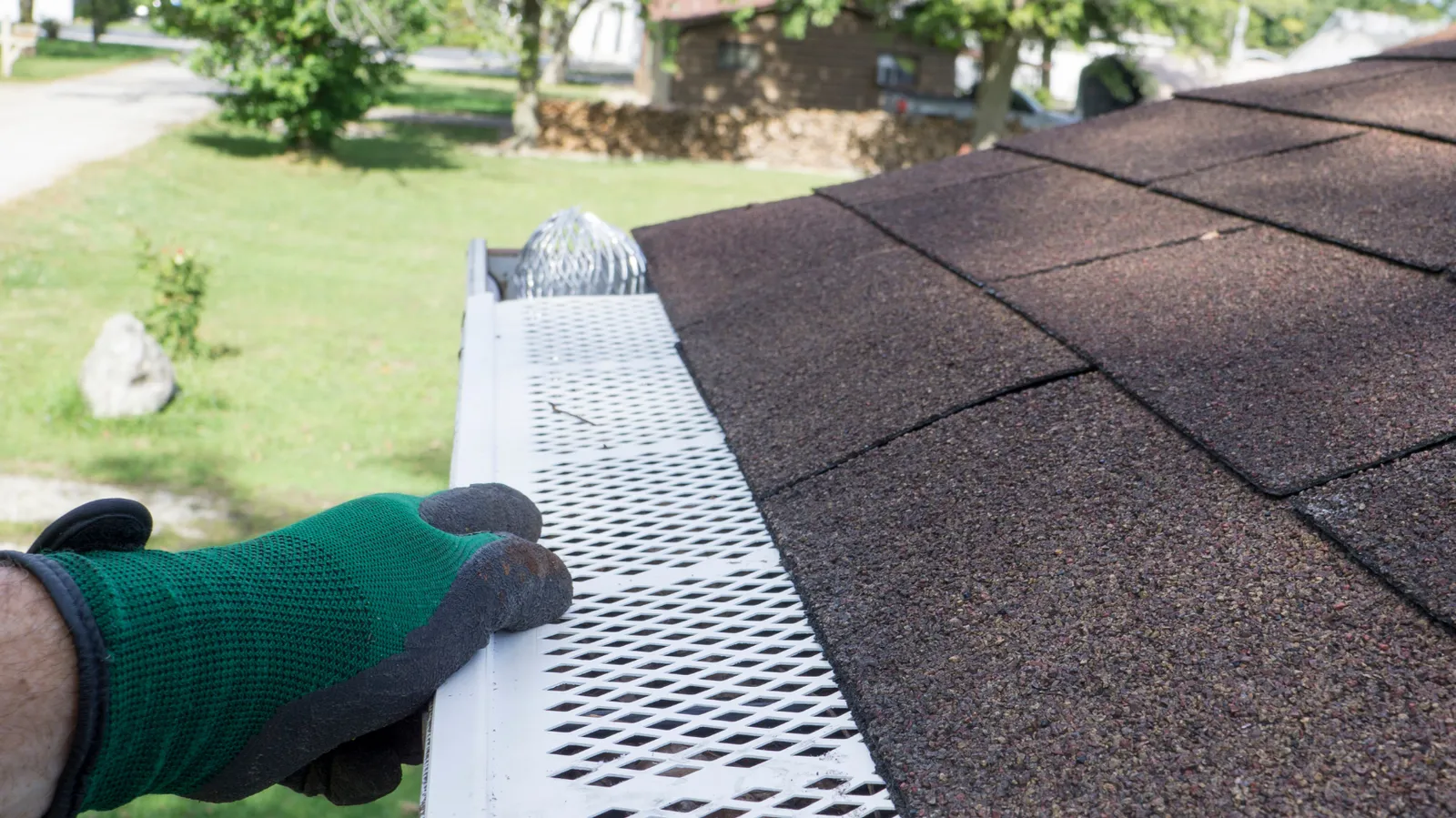
Sizing off the roof above
Capacity comes from the roof area draining into each run, the pitch of that roof and how hard rain falls here, which is why two houses on one street can need different troughs. Five-inch is the residential default; six-inch belongs on big, steep or cut-up roofs.
Fall and hanger spacing
The trough hangs with a slight fall toward each outlet, supported often enough that it will not sag between hangers. A run still holding water days after everything else dried has lost its fall or blocked its outlet.
Outlets and downspouts
Outlet count and downspout size are matched to the capacity of the trough, because a large gutter feeding one small pipe backs up anyway. Two-by-three downspouts pair with five-inch troughs and three-by-four with six-inch as a working rule.
The fascia behind it
The board a gutter hangs from is uncovered the moment the old run comes off, and any soft or rotten sections are reported to you before new metal goes up. Hanging a new gutter on failed wood is the cheapest way to buy the same problem twice.
Seamless, formed at the house
Aluminum coil is rolled to length on a truck in the driveway, so a run carries joints only at its corners and outlets. Fewer joints means fewer sealed seams, though corners and outlets are still sealed joints and anybody claiming otherwise is selling.
Where the water lands
Downspouts are aimed and extended so the discharge leaves the foundation instead of pooling beside it. This is the part people skip, and it is the part that turns a gutter problem into a foundation one.
Signs Coppell gutters stopped working
Denton Creek, Grapevine Creek, Cottonwood Creek and the Elm Fork of the Trinity all run through or against this city, with smaller tributaries threading the neighborhoods between them, so ground-level drainage carries more weight here than it does in a drier town. These are the signs the gutters stopped doing their half of it, and a look at the roof itself shows whether what is above is contributing.
A waterfall over the front lip
Water sheeting over the outer edge mid-rain means the trough is full before it should be, from a blockage, lost fall or a run that was never big enough. Standing outside during a hard rain tells you more about a gutter than a ladder does.
A trench dug in the bed below
A narrow channel cut into the mulch, or splash marks up the siding, show where the overflow lands every single time. The length of that line maps the section of run that is failing.
Sagging between the hangers
A trough dipping in the middle has lost hangers, or the wood those hangers are fastened to. Water then pools at the dip instead of moving to the outlet, and the weight makes the sag worse every season.
Stained or blistering fascia
Streaks and peeling paint on the board behind the gutter mean water is getting in between the trough and the wood. That is rot starting in the one board the whole system hangs from.
Water standing days after rain
A trough still holding water when everything else has dried out has either no fall or a blocked outlet. The weight of that standing water is what pulls the next set of hangers loose.
A downspout that stays dry
A pipe running nothing during a storm while the trough above it overflows has a clog at the outlet or somewhere down the run. It is the cheapest fault on this list and the one most often mistaken for a failed gutter.
Sizing, fall and where the water lands
Every step is held to the same bar: the trough has to empty faster than the roof above it fills it, in the hardest rain this town gets. A five-inch run covers most roofs here, and these steps are what decide when it will not.
Sizing
The roofer measures the roof area draining into each run and the pitch feeding it, then sizes trough and outlets against that. Five-inch handles most Coppell roofs; a large or steep plane emptying into one short run is what pushes a house to six.
Fall
The run is set with a slight slope toward each outlet and hung at spacing that keeps it from dipping between fasteners. If the fascia will not hold a hanger, that gets dealt with before any gutter goes on it.
Outlets
Outlet count and downspout size are matched to the trough, and the downspouts run down the sides of the house where they do the least harm to how it looks. A second outlet on a long run is usually cheaper than upsizing the whole trough.
Where it lands
Discharge is extended away from the slab and aimed at ground that carries it off. On lots that already sit low or wet, that last few feet is what decides whether the job worked.
Gutter questions that come up here
What people ask once they work out the stain on the fascia is not going away on its own. If the fascia behind the run has gone soft, the answer about what a gutter job includes is the one that matters.
Have the Coppell gutters looked at
Which side of the house runs over is the detail that matters here. Send it with the street, and a roofer covering that street can price the run.
Roofing you can see for yourself