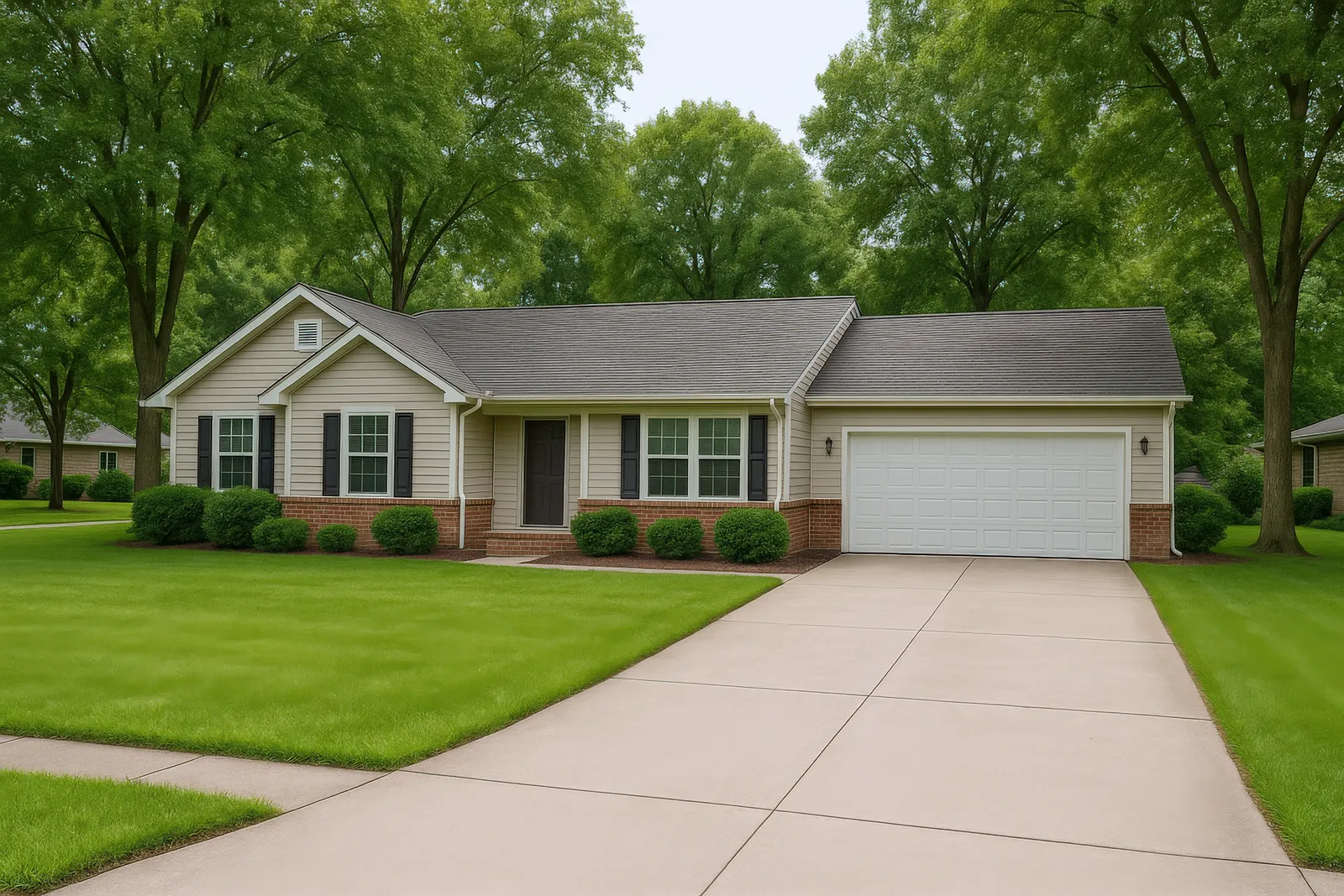
Roof Repair in Coppell, TX
Repair or the whole roof: one look settles it.
A Coppell leak starts at a detail: a split boot, a valley, flashing at a wall. One visit up there tells you which.
Roofing you can see for yourself
Roof repair in Coppell, what gets done
A repair is two jobs. Finding where the water enters comes first and closing it is the short half, and the order is what separates a fix that holds from one that is back next spring. Sometimes the water never got through the roof at all, and the gutters are what needs the attention.
Take a valley, the line where two slopes meet. Everything that lands on both faces funnels down it, so a few feet of valley moves several times the water an open slope does. Metal that has thinned, or a shingle cut sitting too tight against it, will let some of that under the courses, and from inside the house it can surface a room away. What an inspection covers is often how a homeowner finds out which it was.
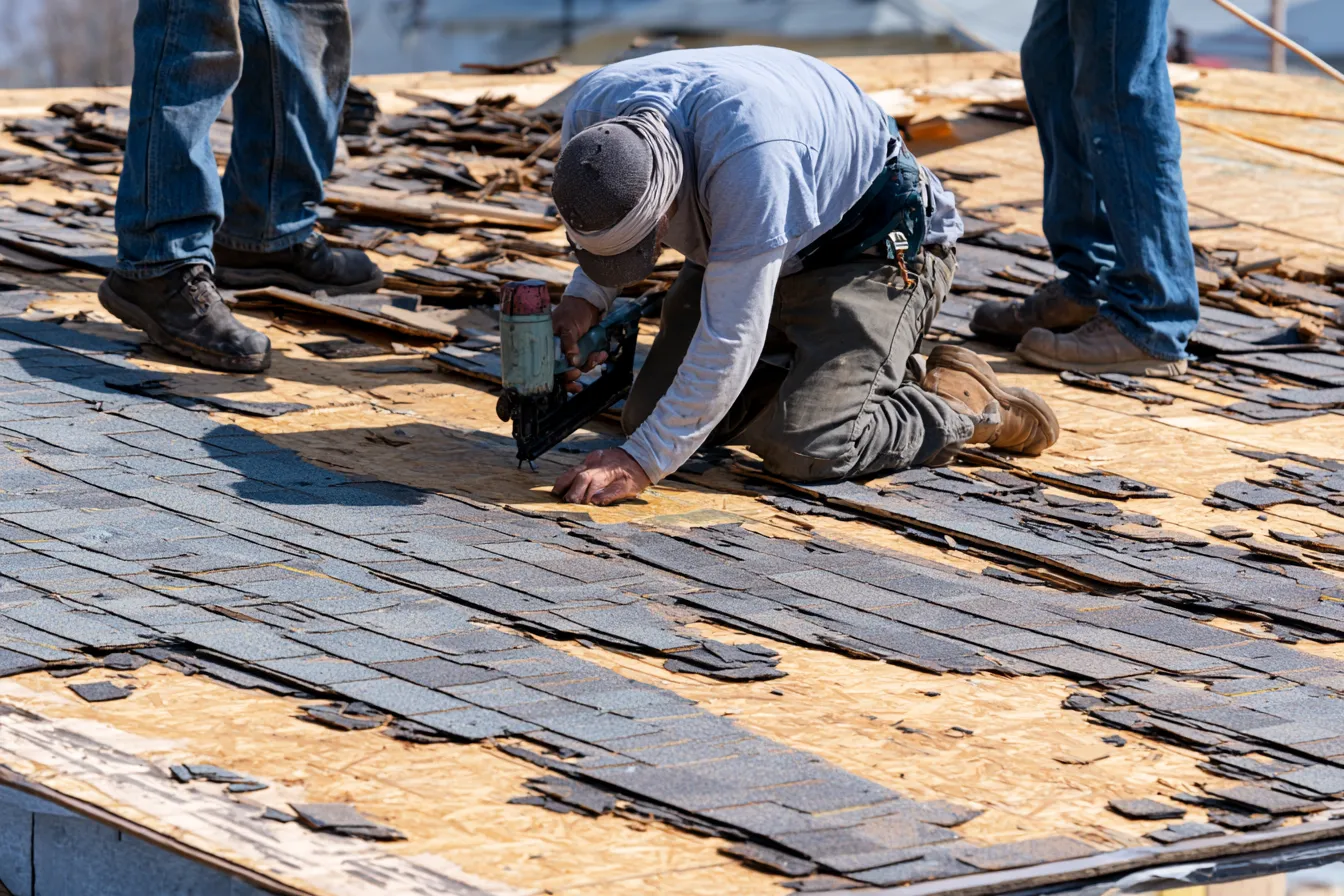
Tracing the entry point
A roofer starts inside where the water shows, then works uphill on the roof to the nearest detail above it. Water travels along rafters and deck seams before it drops, so the wet ceiling and the hole are rarely on the same line.
Pipe boots and vents
Split rubber collars come off and new boots go on, set into the courses instead of smeared over. A boot is one of the cheapest parts on a roof and one of the most common reasons a ceiling stains.
Flashing repair
Step flashing at walls and counter flashing at a chimney come out and go back as new metal, lapped into the courses the way they were meant to be. Sealant over a bad joint is a different repair with a much shorter clock on it.
Valley rebuild
Worn or holed valley metal is stripped back along with the shingles either side of it and rebuilt from the underlayment up. Half a repair here is no repair, because water in a valley finds any lap running the wrong way.
Deck patching
Where a leak has been running a while, the sheathing beneath it is soft and comes out with the covering. It is billed by the sheet, and it is the line that most often makes a repair bigger than the homeowner expected.
Photographs and the estimate
You get pictures of what was found and an itemized estimate for the fix, one line per item. It holds long enough to put beside another bid, so nothing has to be settled while a ladder is still against the house.
Where a Coppell roof leaks first
Coppell's late-1980s and early-1990s subdivisions carry roofs that give out at their details long before the open field does. A single split boot is photographed the same way a whole slope would be.
Where a wall meets the roof
Step flashing carries water down the joint between a slope and a wall, and on a house of this vintage it is among the first details to corrode or end up sealed over. A stain on an upstairs wall usually starts here.
Valleys
Two slopes drain into one line, so a valley moves far more water than the shingles around it. Thinned metal or a tight shingle cut lets some of that under the courses.
Around the chimney
The counter flashing let into the masonry and the cricket behind the stack are the busiest details on most Coppell roofs. Brick moves at a different rate than the deck does, which is why sealed joints there keep opening.
Plumbing vents
The collar around a vent stack is rubber, and rubber in Texas sun ages faster than the shingles around it. The collar splits while the roof it sits in still has years left.
Skylight curbs
A skylight is a hole in the roof with metal folded around it, and the head flashing above it takes everything draining off the slope overhead. Fogging between the panes is a separate problem from a curb letting water past.
Low-slope sections
Porch roofs and additions often run shallower than the main house, and shingles at that angle drain too slowly to shed a hard Texas rain. Those sections need doubled underlayment or a membrane, and they are where an otherwise sound roof lets go.
Finding the entry point before sealing
Every step is held to one bar: nothing is sealed until a roofer can say where the water came in. Where the path is ambiguous the search slows to a hose and a watcher inside, and only then does anything come off the roof.
Inside first
A roofer starts in the room with the stain and, where there is access, in the attic above it. Wet insulation, a rusted nail line and daylight all point uphill toward the entry.
Then the detail above it
The search moves to the nearest penetration, valley or wall joint upslope of the wet spot. The entry is usually one of those; a failure out in open field is the exception.
Water test where it is unclear
Where the path is ambiguous, one section at a time is wetted from a hose while a second person watches from inside. It is slow, and it is what keeps a repair from being a bet.
Fix, then photograph
The failed part comes out and goes back new, and the finished detail is photographed alongside what it replaced. What you keep is that pair of pictures and one itemized line for what it cost.
What sets the price of a Coppell repair
A repair is priced off what failed and how much roof has to come apart to reach it, so a split boot and a rebuilt valley are not one conversation. At the small end it is a part and an hour; in the middle it is flashing or a valley taken back to the underlayment; at the top it is a section of deck and the covering over it. The rule of thumb roofers say out loud: once a single repair estimate creeps toward a quarter or a third of a full replacement, the balance has stopped favoring the patch. What a Coppell roof costs carries the replacement side of that comparison, tier by tier.
the failed part, the deck under it, and the reach to get there
Repairs are priced one at a time off what a roofer finds, so no range on this page would mean anything for yours.
Repair questions people ask here
The ones that come in with the first call about a leak. Whether a repair is worth buying at all has an answer here too, which is not usually the first thing on a homeowner's mind.
Get a leaking Coppell roof seen
The room with the mark on the ceiling is the useful thing to say first. Add the street to it, and a roofer covering Coppell knows where to start looking.
Roofing you can see for yourself