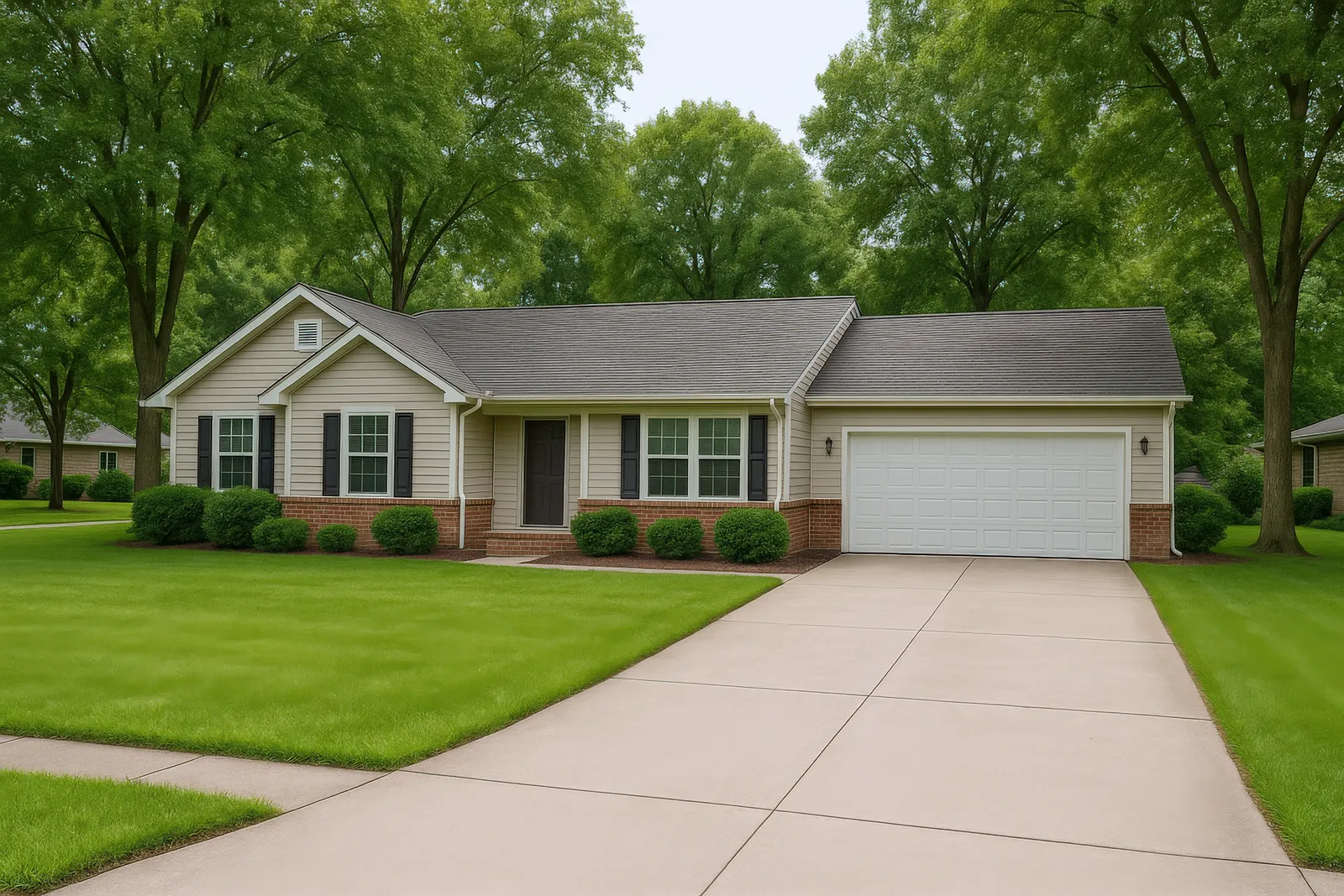
Roof Inspection in Coppell, TX
You cannot tell from the yard whether that storm took anything, and a roof inspection is how you find out. Asking for one puts you under no obligation.
What does giving Coppell Elite Roofing an address get you? A dated look at the roof, an answer either way, and the photographs.
Roofing you can see for yourself
A roof inspection in Coppell, TX
An inspection answers one question about one roof: is there anything up there that needs doing. A roof that turns out sound ends in the same document as a roof that does not, because nothing to report is a finding and it goes on the page the same way a problem would.
Left alone, the things an inspection catches early do not stay the size they were. A lifted tab that one nail would fix this spring is a wet deck panel two winters on, and the deck is the expensive part of a roof.
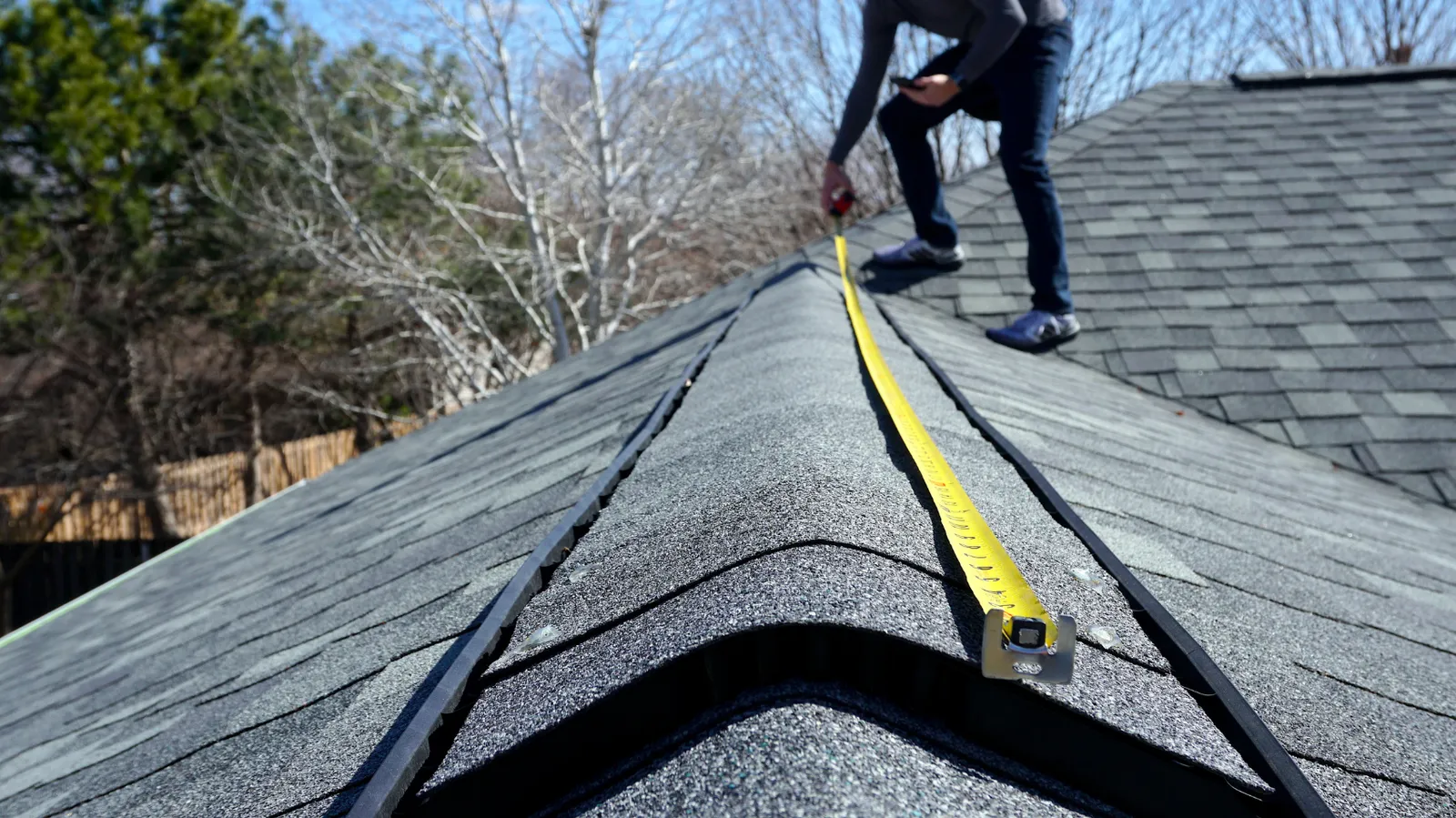
The field shingles
A roofer walks the slopes that are safe to walk, checking granule loss, bruising, cracking and missing tabs. This is where an inspection either finds a pattern or does not, and the pattern decides what follows.
Flashing and penetrations
Chimney, walls, valleys, pipe boots and vents, because most leaks start where the roof meets something else instead of out in the open field. A cracked pipe boot is a small part and one of the most common sources of a ceiling stain.
Edges and gutters
Drip edge, rake edges and the gutter line, checked from the ladder for dents, separation and standing debris. Granules collecting at the downspout outlet matter here, because that is the roof's surface layer washing off.
The attic side
Decking from underneath for staining and daylight at the penetrations, insulation for damp, and the venting for balance between intake and exhaust. Half the evidence of a slow leak is inside the house, and it is the half most homeowners never see.
Photographs of the findings
Close shots of each thing found, then a wider frame so you can tell where on the roof it sits. You get copies of those, and what they cover is what the inspection turned up, which is a different thing from every square foot of the roof.
The written answer
One page saying what is there, what can wait and what cannot, plus an itemized estimate if anything needs doing. The number on it holds long enough to take away and think over.
What an inspection turns up on Coppell roofs
Most inspections turn up one or two of these, and most of them are still small at the point a roofer finds them. The Coppell storm record explains why the first two are so common around here.
Pipe boots
The rubber collar around a plumbing vent cracks and splits from sun exposure long before the shingles wear out. It is a small part, and it accounts for a large share of the ceiling stains anybody ever calls about.
Step flashing
The metal that laps up a wall where a roof meets it corrodes, or somebody has sealed it over with caulk instead of replacing it. The caulk repair holds for a season or two; the flashing underneath is still the thing that failed.
Nail pops
Fasteners back out of the deck over years of expansion and lift the shingle above them into a small tent. Each one is a pinhole into the deck, cheap to fix and expensive to leave.
The ridge line
Cap shingles sit at the highest, most exposed point on the house and go first on a wind-hit roof. Missing or lifted cap is visible from the ground once you know to look for it.
Attic ventilation
Intake at the soffit and exhaust at the ridge have to balance, and blocked soffit vents are common anywhere insulation has been topped up. An attic that cannot breathe cooks the shingles from underneath and shortens the roof's life.
Nothing at all
A share of inspections end with no finding worth acting on, and that goes on the page as a result. If the storm did nothing to your roof, that is what the report says.
Roof, details and attic, in that order
The same sequence runs on every roof, whatever the reason for the visit. Open field is rarely where a leak begins, which is why the details take more time than the slopes do.
Roof surface
Slope by slope, on the roof where the pitch and the weather allow it and from a ladder where they do not. Granule loss, bruising, creasing and missing tabs, counted one slope at a time.
The details
Flashing at the chimney and the walls, valleys, pipe boots, vents, and the drip edge at both the eaves and the rakes. Most leaks start at one of these, so they take more time than the open field does.
The attic
Decking from below for stains and daylight, insulation for damp, and the venting for balance. This is where a leak that has been running quietly for a while shows itself.
The write-up
The findings, the photographs and an itemized estimate for anything that needs doing, sent to you. Everything on it is dated, so it still means something if you come back to it in a month.
Inspection questions asked after storms
Questions that come up after weather, and a few that come up anyway. An inspection and a claim are separate acts, and the answers below keep them separate.
Book the free look on your Coppell roof
One question, and the report says no as readily as it says yes. Ask Coppell Elite Roofing for a look, and neither the look nor the itemized estimate that comes with it costs you anything.
Roofing you can see for yourself