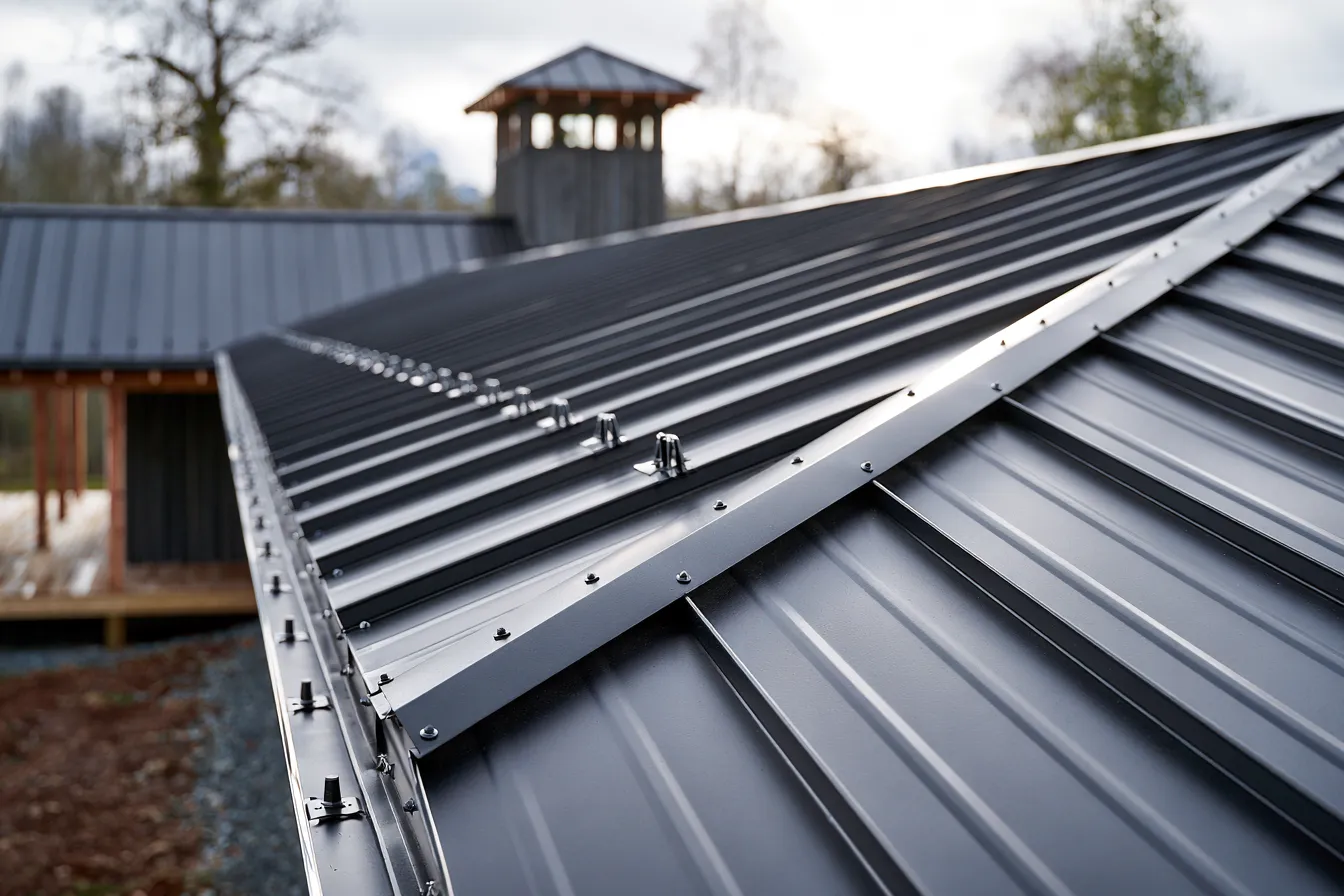
Metal Roofing in Coppell, TX
Metal roofing in Coppell, TX costs about twice what shingles do and lasts through storms that would end two asphalt roofs. Whether that pays back depends on how long you keep the house.
Standing seam and exposed-fastener panels, what they run by the square, and where the break-even sits against buying asphalt again.
Roofing you can see for yourself
Metal roofing in Coppell, what it includes
Metal goes on houses here for one reason more than any other: to stop paying for a roof every time a bad hail season comes through. Putting panels up is a different job from laying shingles, and what follows is what that job covers.
So the decision is money before it is taste. Two more hail replacements at a deductible each, plus the roofs themselves, is the number panels have to beat, and on a house you intend to hold they usually beat it. On a house going on the market in three years they do not, and the shingle grades are the comparison that matters instead.
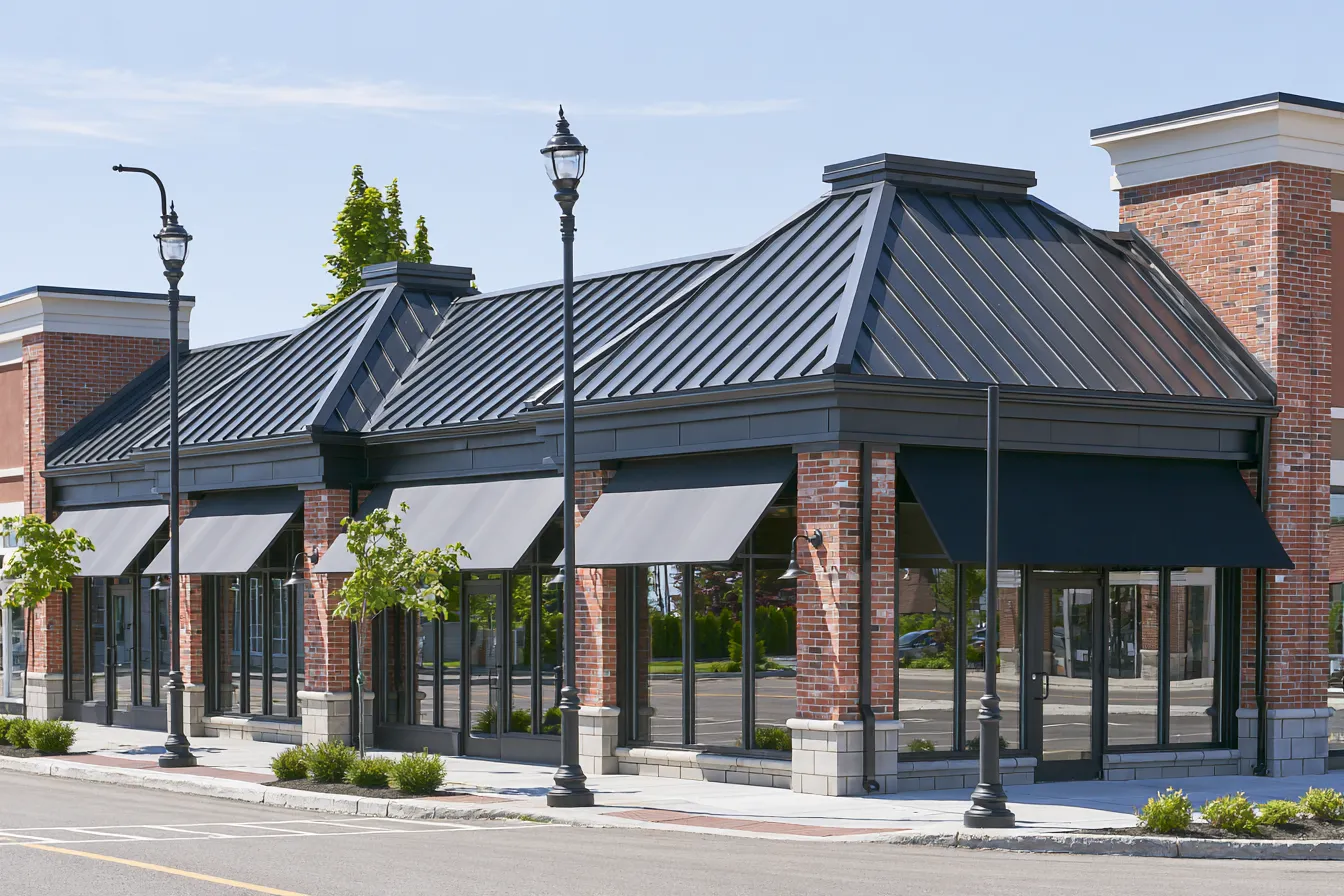
Tear-off to the deck
The old shingles, underlayment and nails come off down to bare wood, because panels need a flat, sound base under them. Any soft or split decking shows up at this point and carries its own line on the estimate.
Deck repair and dry-in
Rotten sheathing is cut out and replaced, then the whole roof is covered with a high-temperature synthetic underlayment. Metal runs hotter than asphalt through a Texas August, so what goes under it has to be rated for that heat.
Panel profile and gauge
Standing seam hides its fasteners inside the seam; exposed-fastener panels screw through the face and cost noticeably less. Gauge is the thickness of the steel, and a heavier gauge dimples less when hail lands on it.
Trim, edges and valleys
Eave, rake, ridge and valley metal is cut and formed to fit this roof, and it is where a panel job is won or lost. Water leaves a metal roof at its edges, so the trim details carry all the leaks that never happen.
Pipes, vents and boots
Every pipe, vent and flue takes a high-temperature boot sized to the panel profile and sealed to the rib. These are the points a cheap panel job hurries, and they are the first places one of them lets go.
Cleanup and the paperwork
Offcuts, panels and fasteners leave the property, and a magnet goes over the grass before anybody drives off. The workmanship terms the roofer signs and the panel manufacturer's finish warranty are two separate documents, and both should be in your hands at the end.
When metal starts making sense here
Metal is the wrong answer on plenty of Coppell houses, and where it is wrong, what shingles run here is the page to be on. These are the situations where it does earn the difference.
Two claims already paid
A roof that has been replaced twice on insurance since you bought the house is telling you something about its exposure. The deductibles on their own start closing the gap between asphalt and panels.
This is the last roof you want to buy
Panels outlast two or three asphalt roofs, so their value arrives in years you are still around to use. Sell inside a decade and that value transfers to the buyer while the bill stays with you.
A simple, uncut roofline
Long straight runs with few valleys and dormers are where standing seam is cheapest to put on. A cut-up roof with six planes and two chimneys pushes the labor up quickly.
Low-slope sections in the mix
Panels work down to pitches where shingles are not permitted, so a house with a shallow porch or addition can be finished in one system. That takes out the transition detail that leaks on a lot of these houses.
A detached shop or barn
Exposed-fastener panels are the cheapest metal there is and they are the standard answer for outbuildings. It is also a low-cost way to watch how the finish holds up before you commit the house to it.
Cooling bills you want down
A reflective factory finish sends part of the summer sun back off the roof instead of into the attic. The reduction is measurable and modest, and nobody should buy a roof for it alone.
How a Coppell metal roof goes on
A panel roof is a longer and a quieter job than a shingle roof: more time spent measuring and forming metal on the ground, less time with anybody hammering above your kitchen. So the order starts with a wait while panels are cut to runs measured on your own roof, and the tear-off does not begin until they exist.
Measure and order
Every run is measured on the roof itself and the panels are cut to those lengths, so nothing on a standing seam job comes off a shelf. That is why the work starts with a wait and then moves fast once the metal arrives.
Strip and dry in
Shingles come off, the decking is repaired where it needs it, and high-temperature underlayment goes down across the whole roof. The roof is closed in again before anybody leaves at the end of that day.
Edges, then panels
Eave and rake metal goes on first, then the panels run from one end of the roof to the other and clip or screw into place. Ridge, valley and wall flashings close it out as the runs reach them.
Walk it and hand it over
The roofer walks every seam and penetration, sweeps the yard, and hands you the workmanship terms and the finish warranty together. The manufacturer covers the coating and the roofer covers the installation, on separate documents with separate lengths.
Metal against asphalt, by the square
Figured on 26 squares of finished roof surface (about 2,600 sq ft), the planning size behind this math and no measurement of any particular house. Yours could sit either side of it.
Architectural asphalt runs $450 to $690 a square, so on a roof of average size in this town panels cost roughly twice what buying shingles again would. What closes that gap is time: metal is still up there after two or three asphalt roofs would have come and gone, and every hail replacement you skip is a deductible you keep. The Coppell price guide lays every grade out by the square.
$1,000 to $1,600 per square, installed · standing seam; exposed-fastener panels sit lower
Area ranges for panels. Profile, gauge and how cut-up the roofline is move a metal number further than they move a shingle one.
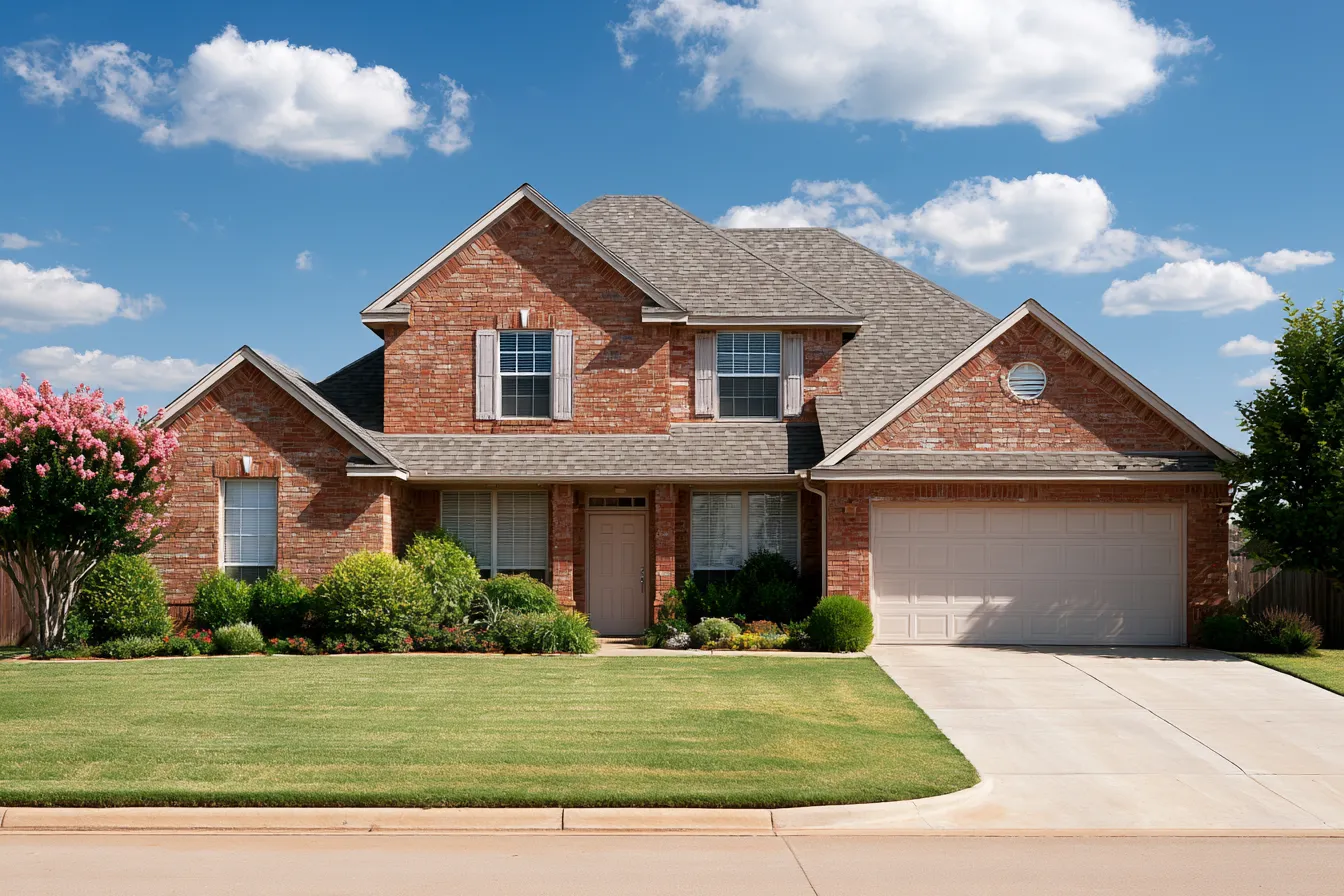
Metal roofing questions from this county
What everybody asks about metal, plus the one about noise. The noise answer surprises people, because what sits under the panels changes it more than the panels do.
Price metal against shingle in Coppell
Get in touch with Coppell Elite Roofing, and the roofer who goes up prices it both ways, itemized and at no charge. Think it over as long as you want.
Roofing you can see for yourself